Essential historical sites
Lycian rock tombs
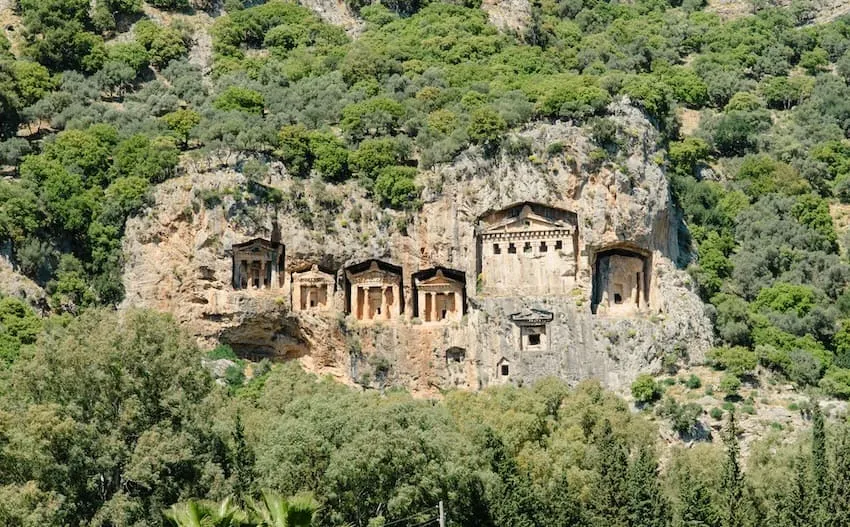
The rock tombs of Fethiye constitute unquestionably the town's principal historical attraction. Carved directly into the limestone cliff that dominates the city, these funerary monuments date from the fourth century BCE. The Tomb of Amyntas, the most spectacular of the ensemble, rises over eight metres in height and presents a remarkably preserved Ionic-style façade. These sepulchres bear witness to the importance of ancient Telmessos and offer unique insight into the burial practices of Lycian civilisation.
Access to the tombs requires approximately fifteen minutes' ascent from the town centre, though the effort is amply rewarded by the panoramic view over Fethiye and its bay. The visit is particularly recommended during late afternoon, when golden light enhances the ancient architecture.
Ancient theatre and vestiges of telmessos
The ruins of ancient Telmessos continue to punctuate the urban landscape of modern Fethiye. The Roman theatre, whilst partially buried beneath contemporary constructions, remains visible and testifies to the cultural significance of the ancient city. The acropolis remains, scattered across the heights, reveal the foundations of temples and public buildings that structured the ancient town.
Natural wonders
Çalış Beach
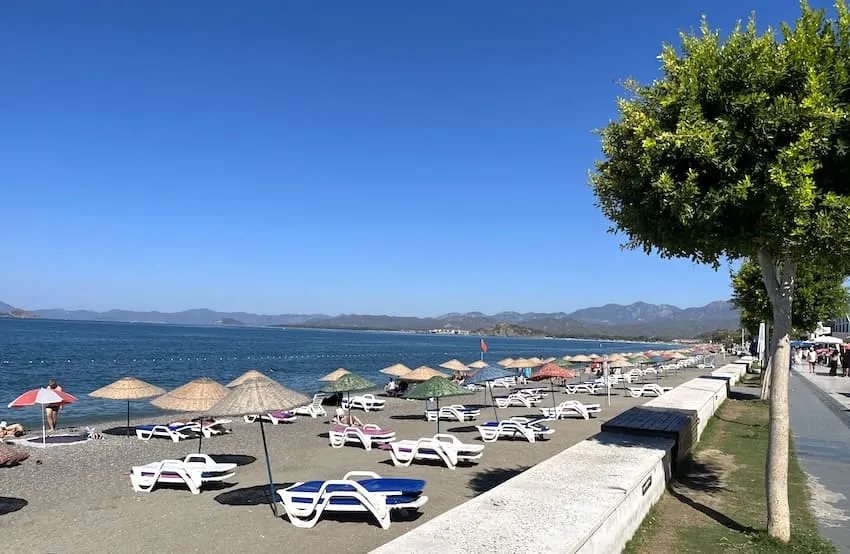
Çalış Beach is Fethiye's main beach and one of the most popular seaside destinations on Turkey's turquoise coast. This stretch of sand stretches for around four kilometres along the bay of Fethiye, offering a remarkable natural setting with views of the surrounding islands.
The beach is characterised by its fine sand and shallow waters, making it particularly suitable for families with children. The gentle slope at the entrance to the water ensures safe bathing, while the generous width of the beach guarantees plenty of space even during the peak tourist season.
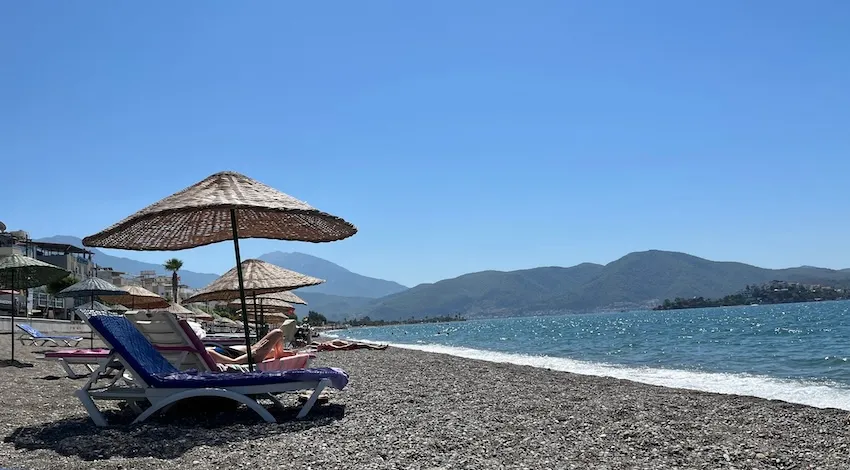
The beach's geographical position is a major advantage. Located just a few kilometres from Fethiye town centre, it remains easily accessible while retaining a quieter atmosphere than urban beaches. Sunsets from Çalış Beach enjoy a special reputation, offering spectacular views of the bay and surrounding mountains.
Oludeniz lagoon
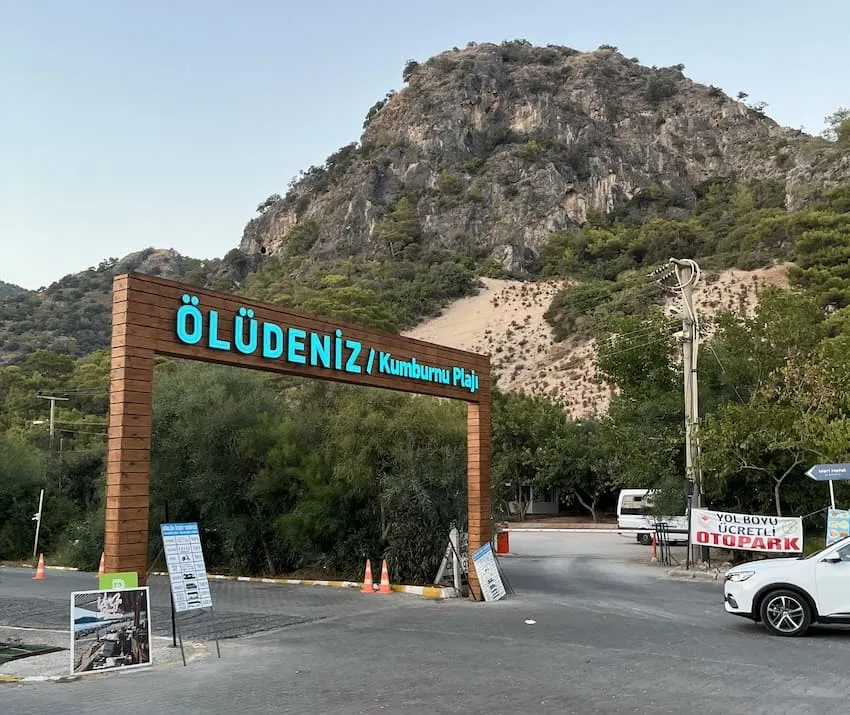
Located twelve kilometres south of Fethiye, Oludeniz Lagoon ranks amongst the world's most photographed beaches. Its name, meaning "dead sea" in Turkish, refers to the perfectly calm waters of this natural lagoon protected by a pebble barrier. The distinctive blue hues that characterise its waters, from the clearest turquoise to deep blue, create a striking visual spectacle.
Oludeniz Beach divides into two distinct sections: the public beach, freely accessible, and the protected lagoon area, subject to an entrance fee but offering more comprehensive facilities. This destination also serves as the preferred launching point for paragliding flights from Mount Babadağ.
Butterfly valley
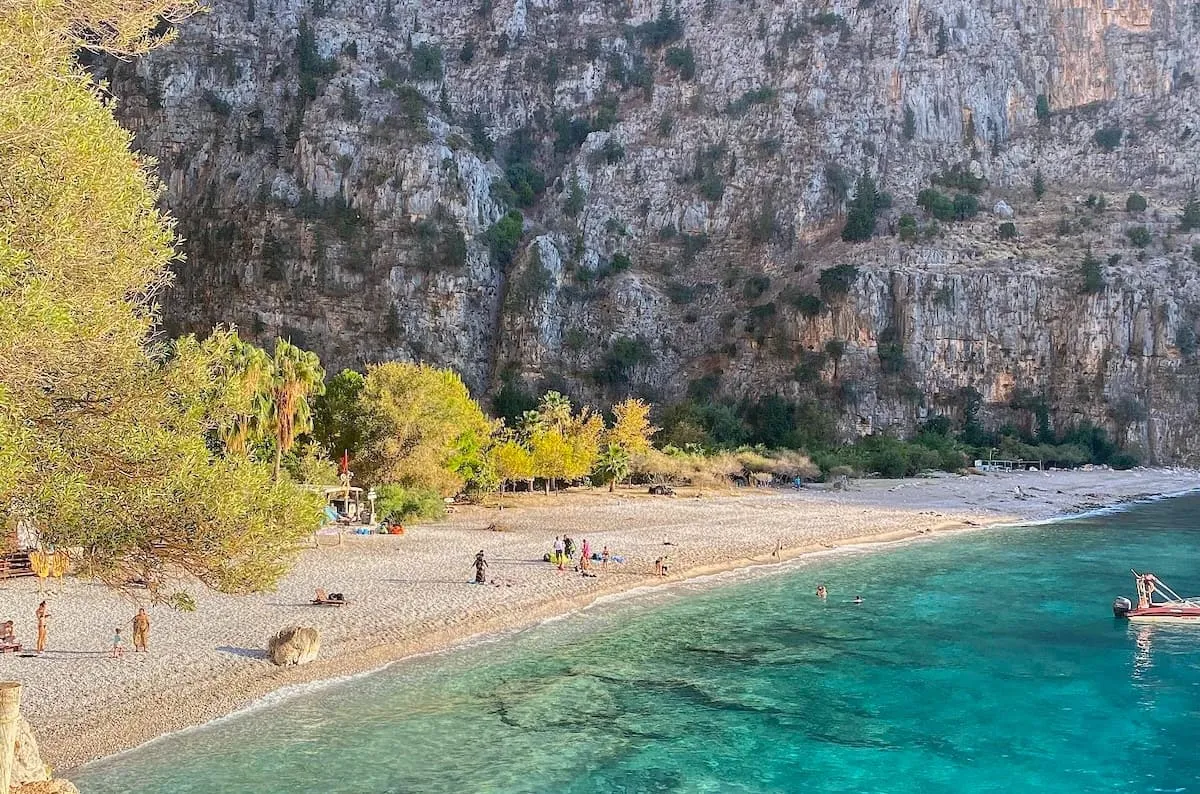
Accessible solely by boat from Oludeniz or via a demanding hiking trail, Butterfly Valley constitutes an exceptional nature reserve. This narrow gorge, traversed by a permanent waterfall, shelters over one hundred butterfly species, including the rare Jersey Tiger butterfly.
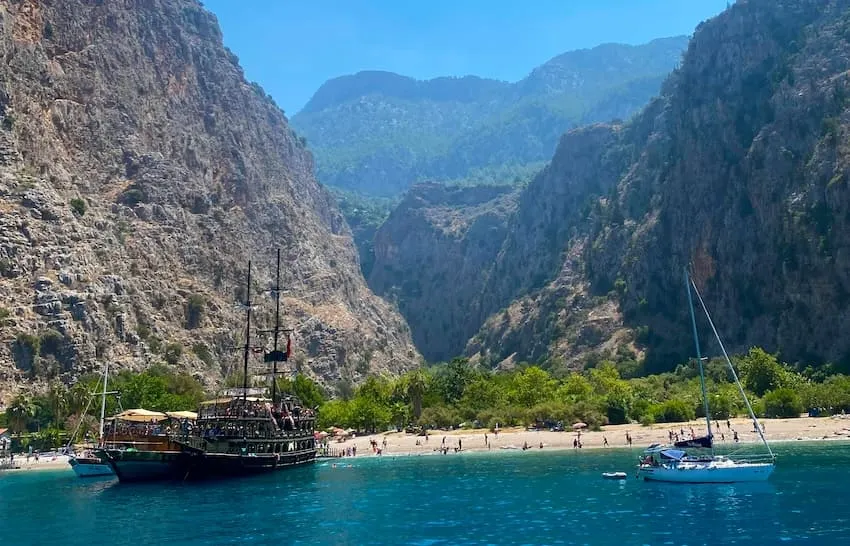
The pebble beach at the valley's base offers a wild and preserved setting, ideal for a nature escape away from tourist crowds.
Islands off Fethiye
The archipelago extending from Fethiye comprises twelve principal islands, each presenting distinctive characteristics. Saint Nicholas Island, closest to the harbour, preserves the ruins of a Byzantine church and offers several sheltered coves for swimming. Tersane Island, more distant, houses the remains of an Ottoman shipyard and presents exceptional marine beds for underwater diving.
Activities and excursions
Paragliding from Babadağ (Oludeniz)
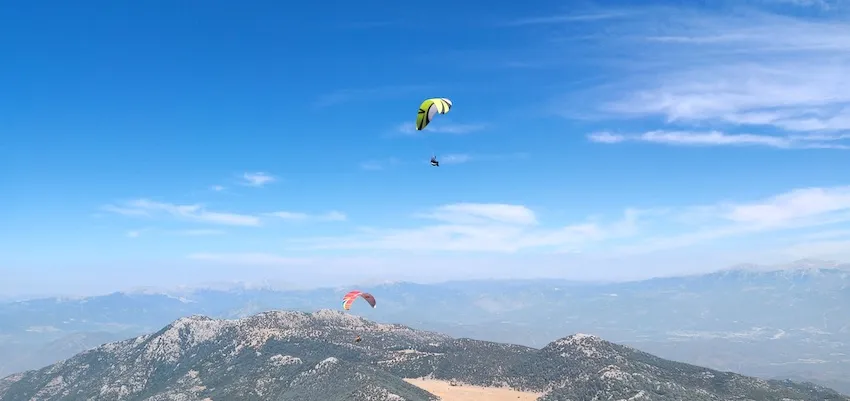
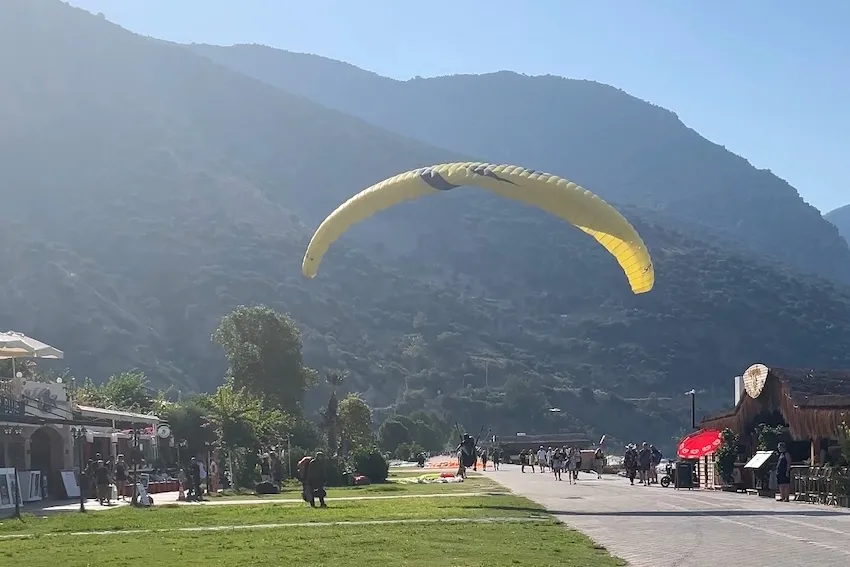
Mount Babadağ, which peaks at 1,969 metres altitude, constitutes one of the world's most renowned paragliding sites. The exceptional aerological conditions of this massif enable long-duration flights with breathtaking views over the Lycian coast. Tandem flights, supervised by professional instructors, make this activity accessible to beginners whilst ensuring optimal safety.
Traditional gulet cruises
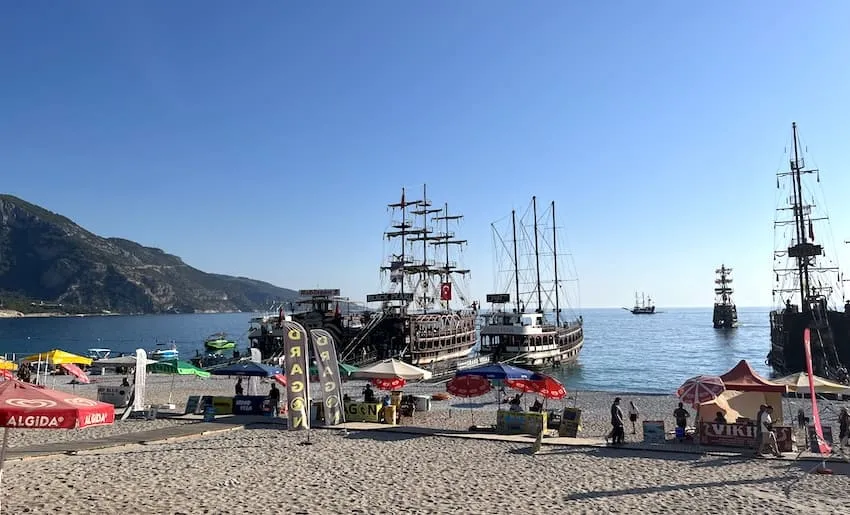
Traditional gulet cruises represent one of the most authentic experiences the Fethiye region offers. These wooden vessels, constructed according to ancestral techniques, navigate along the Lycian coast whilst calling at isolated bays and remarkable archaeological sites. Day cruises typically include visits to Butterfly Valley, Saint Nicholas Bay, and several coves conducive to swimming and snorkelling.
Hiking the Lycian Way
The Lycian long-distance footpath traverses the Teke Peninsula for over 500 kilometres, connecting Fethiye to Antalya. The sections accessible from Fethiye enable discovery of exceptional archaeological sites such as the ruins of Kayaköy, a former abandoned Greek village, or the vestiges of Sidyma and its impressive Lycian sarcophagi. These hikes offer complete immersion in the region's history and nature.
Gastronomy and local life
Local mediterranean cuisine
Fethiye offers rich gastronomy that draws from Ottoman and Mediterranean traditions. The marina restaurants serve specialities of grilled fish and seafood, prepared according to traditional recipes. The weekly Tuesday market constitutes an excellent opportunity to discover local produce: pine honey, virgin olive oil, goat cheeses, and dried fruits from the region.
Bazaar and traditional craftsmanship
Fethiye's bazaar, situated in the historic centre, offers a wide array of traditional Turkish handicrafts. Hand-woven kilim carpets, Avanos ceramics, silver jewellery, and local spices constitute the principal specialities offered to visitors. Negotiations form an integral part of the shopping experience and often enable advantageous prices to be obtained.
Practical guidance for visitors
Optimal visiting periods
The Fethiye region benefits from a Mediterranean climate favourable to visits throughout much of the year. The months from May to October offer the most conducive conditions for nautical activities and hiking. The periods of May-June and September-October present the advantage of more moderate tourist attendance whilst maintaining excellent climatic conditions.
Accommodation and transport
Fethiye possesses diversified accommodation provision, from family-run guesthouses to luxury hotel complexes. The town centre concentrates most mid-range establishments, whilst the Oludeniz area primarily offers seaside resorts. Local public transport (dolmuş) ensures regular connections to principal attractions, though hiring a vehicle offers greater flexibility for exploring the region.